

We have a tremendous responsibility to ensure justice is served. That means justice for the victim and justice for the alleged perpetrator. If we do something outside of the law in anger or disgust, our missteps could have the case thrown out of court, no matter how well-intentioned. The victim will again be victimized, but this time by the criminal justice system, and they will not receive the justice they are entitled to.
It’s a heavy but necessary burden. Over the years, that has been my mantra when conducting training on sexual assault investigations or speaking at the numerous mixed-discipline conferences I have spoken at around the world.
I will guide you throughout this book based on my personal and professional experience. I don’t have an axe to grind. I want to see justice served. Justice for the victim and justice for the perpetrator. Our caseloads can be overwhelming. That doesn’t mean we should take shortcuts. Each victim and perpetrator deserves our best work. I always tried to remember, “What if this were my sister, mother, or other relative? I would want the detective to investigate the crime to the fullest extent and leave no stone unturned. Every victim and perpetrator deserves the same level of investigation.
As law enforcement officers, we see the worst side of people. We are not called when people’s lives are orderly and without conflict. We are called when things have gone awry and are expected to bring calm to chaos. There is no shortage of chaos, and there is no shortage of cruelty inflicted on others. Just when you think you’ve seen it all, someone else steps up to the plate and shows you how wrong you are. It’s breathtaking in a bad way and makes you wonder how human beings can be so cruel.
Career cases in law enforcement are those cases that are complicated, high-profile, and can make or break an investigator's career. They are cases that stay with you for the rest of your life. We all have them, and I’m sure you can readily think of one immediately because of the time, effort, and emotions you poured into the case. What made it a career case? Are you proud of your investigation? Do you believe justice was served, or was the case lost because of your mistake(s)?
What could you have done better?
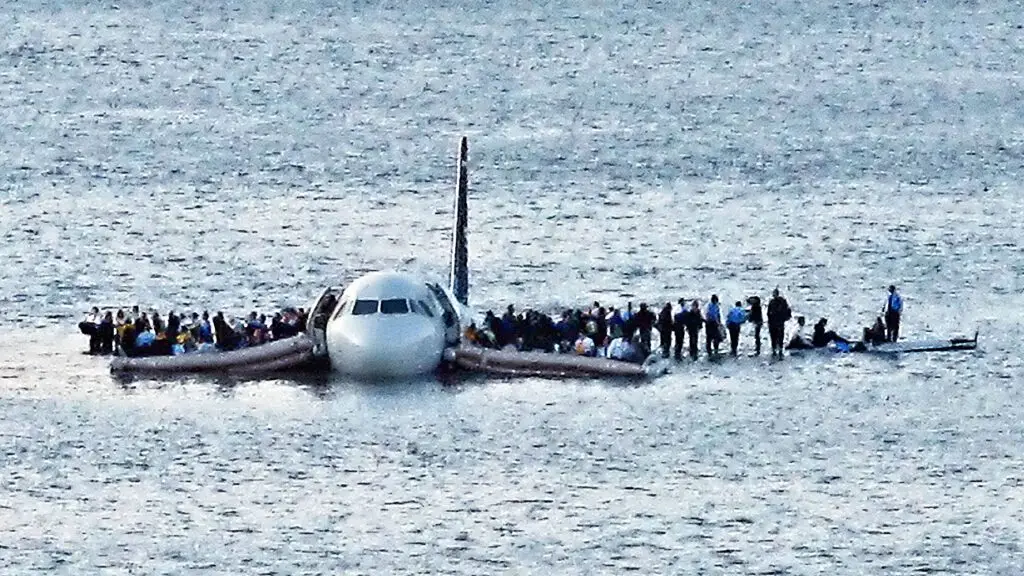
As you work on your cases, I want you to remember this. Few people knew the name of Captain Chesley B. “Sully” Sullenberger before January 15th, 2009. On that date, however, Captain Sullenberger faced an emergency of epic proportions, and as a result, he became one of the most recognized names in the world.
Being a hero wasn’t something Captain Sullenberger anticipated that day. Yet just after take-off from New York’s La Guardia Airport, he collided with a flock of Canadian geese, which disabled his aircraft. At that moment, and with 155 souls on board, Captain Sullenberger used his extensive knowledge and training to land his US Airways aircraft on the Hudson River successfully, saving everyone onboard. While all pilots are trained for this type of incident, most water landings are unsuccessful.
Captain Sullenberger was later quoted as saying, “We need to try and do the right thing every time, to perform at our best, because we never know which moment in our lives we’ll be judged on.” I cannot agree more. In our jobs, whether it’s investigations of child sexual abuse or as a patrol officer responding to a reported crime, we owe it to victims and perpetrators who depend on us to do our jobs to the best of our ability, to bring them justice, and to protect them from harm. We never know when that moment will come and how we’ll be remembered. Be remembered for doing the right thing. Be remembered for doing a thorough investigation. Be remembered for your integrity.
In the following chapters, I will provide citations for things I am telling you based on research. I don’t expect you to believe me unquestioningly. Take the time to read the research for yourself so you feel confident in my explanations. Do your homework and become the best investigator you can be.
In Trauma-Informed Policing, we will cover:
- Victims and victimization -Foundational Understanding
- Offenders - Foundational Understanding
- Investigative Skills - Core
- Collaboration,
- Risk assessment, Supervision, Re-Entry and Management
- Challenges to effective re-entry,
- Specialized Investigations
- Investigating Sexual Assault Involving Persons With Intellectual Disabilities
- Investigating AI-generated CSAM
- Online Offenders
- Collectors
- Traders
- Producers
- Sextortion
- Live-Streaming
- Victim Identification
- Investigative Methods Span 3 Core Areas
- Step-by Step Guide for Investigation
- Example of Affidavit for a Search Warrant
- Example of Search Warrant
- On-Scene Protocols and Digital Evidence Handling
- INTERPOL - What it is and how you can use it.
- Personal and political dilemmas,
- Sex Offender Registration,
- Community notification,
- Community education meetings,
- Interviewing sex offenders,
- False reporting
- Strategic Media Relations in Sexual Assault Investigations
- The Power and Risk of Public Perception
- Media Engagement Techniques
- Communication as a Tool of Justice
- Case studies,
- Avoidable tragedies, and
- Prevention
- Officer Wellness and Professional Challenges